For many off-grid businesses across the UK, LPG isn’t just a fuel – it’s the unsung hero that keeps everything moving. From the steady warmth of care homes and the bustling kitchens of hospitality venues, to the temperature-critical environments of poultry farms, manufacturing plants, and holiday parks, LPG is what keeps operations comfortable, productive, and dependable.
But when your boiler suddenly decides to take a day off, the impact is felt immediately! A loss of heat or hot water can bring production lines to a standstill, leave guests or residents uncomfortable, and force forklifts or equipment offline. Beyond the immediate disruption, every inefficiency adds up – driving higher fuel consumption, increasing energy costs, and inflating your business’s carbon footprint.
That’s why proactive maintenance and awareness of common LPG boiler faults are so important for any off-grid operation. Knowing what to look out for and acting before issues escalate can save valuable time, prevent expensive repairs, and help keep your business running efficiently – all while lowering emissions and improving sustainability.
At Northern Energy Gas, we’ve spent decades helping off-grid businesses just like yours across a wide range of sectors – from small family farms to national hospitality brands – helping them get the most from their LPG systems. We understand that reliability, efficiency, and sustainability go hand in hand. So let’s take a closer look at some of the most common LPG boiler issues we encounter across key sectors – and how you can avoid them to keep your operations running smoothly, all year round.
Low pressure – the silent productivity killer
It’s often one of the first signs that something isn’t quite right with your LPG boiler, yet it’s one of the easiest to overlook. A subtle drop in boiler pressure might not sound dramatic, but it can quietly undermine your entire operations – from inconsistent heating to a complete system shutdown. And when your business depends on steady warmth and reliable hot water, that’s a problem you simply can’t afford.
In manufacturing, fluctuating temperatures can interfere with production processes and energy efficiency targets. In care homes, even a short loss of heating or hot water can cause real discomfort for residents and staff. The same goes for hospitality venues, where guests expect constant comfort – not lukewarm showers or chilly dining rooms.
Low boiler pressure can occur for a few reasons: small leaks in the system, radiators that have recently been bled, or even a faulty pressure relief valve (PRV). While the issue might seem minor at first, the consequences aren’t. When the pressure drops, your LPG boiler works overtime to compensate, using more fuel, wasting energy, and driving up both costs and carbon emissions.
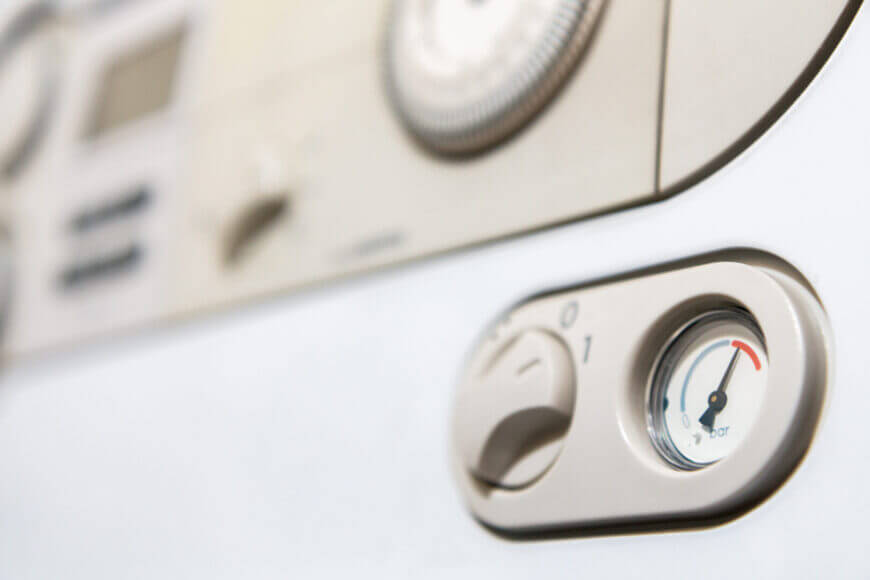
Keep a regular eye on your boiler’s pressure gauge. Ideally, it should sit around 1-1.5 bar when cold. If you find it’s consistently dropping, resist the temptation to keep topping it up. Instead, call in a GAS SAFE registered engineer to investigate and resolve the issue before it grows into something bigger and more expensive.
Keeping your system balanced and well-maintained not only protects the equipment, but it also protects your business’s productivity, reputation, and sustainability goals.
Ignition or flame failure – when your boiler refuses to light
Few things are more frustrating and disruptive than turning on your boiler and it refuses to fire up. For businesses that rely on LPG, ignition issues can quickly bring operations to a halt. In sectors like hospitality, care homes, or manufacturing, even a short delay can ripple through your day, affecting comfort, productivity, and energy efficiency.
Ignition or flame failure can stem from a variety of issues: a faulty spark electrode, a blocked flue, or interruptions in your gas supply. Often, the root cause is as simple as a regulator fault or a low LPG tank level.
Before calling your engineer, it’s worth doing a quick check yourself: make sure your LPG storage tank/s are sufficiently full, and that the supply valve is open. For businesses that can’t afford downtime, an automatic refilling service from your LPG supplier can be a game-changer, ensuring a consistent fuel supply and peace of mind, without the risk of costly run-outs.
If fuel levels are fine and the boiler still won’t ignite, it’s time to call in the professionals. Commercial LPG systems require careful handling, so always call a GAS SAFE registered engineer who will diagnose and fix the issue quickly, helping you restore reliable heating and hot water.
Thermostat or control faults
Sometimes, the problem isn’t the LPG boiler itself– it’s the brains behind the operation. Thermostats, timers, sensors, and other controls play a crucial role in keeping your LPG system running smoothly, and when they fail or miscommunicate, even a perfectly functioning boiler can behave erratically.
Regularly test your controls to ensure all are communicating properly and responding as intended – if something feels ‘off’, get it checked before it affects operations. By staying vigilant, you can avoid downtime and maintain comfort.
Pilot light or sensor problems
Even the most reliable LPG boilers can encounter hiccups, especially in older systems. In traditional boilers, a pilot light that blows out or a worn sensor can cause intermittent or unreliable heating – frustrating for any business that depends on consistent warmth.
Modern commercial LPG boilers have largely moved to electronic ignition, reducing the likelihood of pilot light failures. But even those can suffer from sensor or PCB (Printed Circuit Board) issues, and other components can wear out.
The good news is that most of these problems are preventable. Regular servicing keeps sensors calibrated and detects signs of wear and tear early before they escalate into a system failure. Don’t wait for a cold morning or a busy production day to find out your boiler’s been trying to tell you it’s tired – proactive management keeps your system reliable, energy-efficient and compliant.
Frozen condensate pipes
Winter can bring more than icy roads and frosty mornings – for rural off-grid businesses, it can also bring frozen condensate pipes, especially on remote or exposed sites. When they freeze, the flow is blocked, and the boiler can lock out entirely until the issue is resolved.
For agriculture and poultry farms, a frozen pipe could disrupt heating for livestock, and even in manufacturing or warehouse settings, a locked-out boiler can affect production lines.
The solution is often simple, but the impact can be significant. Insulating external pipework can prevent freezing altogether. This small upfront investment can save hours of downtime when the temperature drops.
Keep your boiler running like a pro and take control today
When it comes to powering your business off the grid, LPG is efficient, reliable, safe, and fully compliant – everything a business needs to keep operations running smoothly. But like any vital piece of equipment, your boiler performs best when it’s well maintained.
A regularly serviced LPG boiler isn’t just about avoiding breakdowns. It will run cleaner and use less fuel, ensuring consistent temperatures and uninterrupted production. And a regular service will also help to extend your boiler’s lifespan, delivering tangible financial benefits as well as environmental ones.
At Northern Energy Gas, we specialise in supporting off-grid businesses across the UK, ensuring LPG systems run safely, reliably, and sustainably. Get in touch today on 01423 772 789 (North), or 0118 229 4747 (South) to discuss how we can help optimise your LPG system.