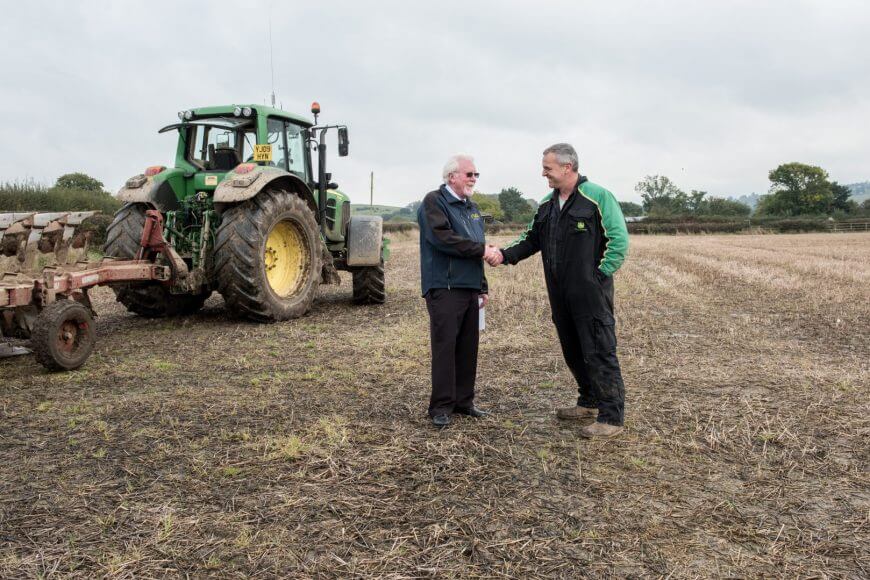
Running a farm is non-stop. You need the fuel that powers your equipment to be efficient, cost-effective and safe. So, whether you use oil, LPG or a mix of the two, your fuel needs to be securely stored and properly maintained at all times.
In this article, we’re going to be looking at some of the safety regulations you need to know as a farmer, as well as how best to keep your fuel safe and secure. In addition, we’ll be highlighting some of the ways you can make every drop count and what the future holds for fuel on farms.
Check out our recent blog to know when to buy your agricultural or commercial oil.
Fuel safety
No matter whether you’re using our oil or LPG, safety is paramount, which is why it is vital to know the different requirements for the storage of fuel on a farm, whether it’s being used to fuel a tractor or power a grain dryer.
First, you need to store your fuel in oil or LPG storage tanks that meet the Government’s storage regulations. In addition, you need to ensure that they are maintained on a regular basis to avoid leaks and spills, which in turn can lead to fines. It’s also worth noting that delivery drivers can and do refuse to fill storage tanks that are unsafe for refuelling, which can reduce farm productivity.
Oil storage
If you store 1,500 litres of fuel or more, the following applies for the storage of oil:
- Whichever kind of tank you’re using, whether it’s made from steel or plastic, its rectangular or circular, it must meet ISO 9000 quality management standards.
- Bunded fuel storage tanks, i.e. double walled tanks provide greater protection against leaks and spills. Each bunded tank must have at least a 20-year life-expectancy with a base and walls that are oil and water impermeable, as well as not having a drain-down pipe.
- All taps must be facing down and locked when not being used.
- Delivery pipes have to be securely attached to the fuel tank at all times and include self-closing taps or valves that have to be locked inside the bund when not being used.
- You need to work out the minimum capacity of your tank’s bund. For a single tank the minimum capacity must be 110% of the tank’s capacity, while for multiple tanks, the bund needs to have 100% of the capacity of the largest tank or 25% of the total storage volume (whichever is larger).
- Any waste oil or mix of oil and water that collects in the bund must be responsibly disposed of.
LPG Storage
Your bulk LPG storage tank will usually be owned by your LPG supplier who will be responsible for its maintenance. Both above ground and below ground tanks are available, and the choice will depend on your usage and the storage space you have available.
Where fuel tanks should be located
All oil and LPG tanks should be at least 10-metres from inland or coastal waters. This includes any dry ditches, as well as yard and land drains. It’s worth noting that your fuel tanks can be in both single and multiple locations across your property.
Any underground fuel tanks you have must follow the DEFRA Groundwater Protection Code of Practice which is available as published guidelines. This is to prevent fuels such as oil or LPG causing pollution. Steps you need to take include performing a risk assessment and identifying any potential outcomes. If you’re unsure of how to do this, or prefer to get an expert to perform the important checks, talk to the business team at Northern Energy who can put you in touch with an OFTEC or GAS SAFE registered engineer, as well as advise on best practise.
No matter where you store your fuel, or how, it is your responsibility to take precautions to prevent and contain any accidental spills. Ways to do this include having an alarm for overfills or using a telemetry system that immediately warns if fuel levels suddenly drop due to a leak or spill.
Protecting against theft
Farming oil kept in tanks has, unfortunately, always been a draw for thieves, and with recent high fuel prices, it has been more attractive than ever, with the number of incidents rising. When a theft does occur, it can lead not only to the loss of valuable fuel, but also damage to your tank and the additional risk of pollution. Thankfully, there are a number of simple steps you can take to help protect your tank and the fuel inside it.
Start by doing regular checks of fuel levels and keep a record of refill dates and storage capacity. Also, ensure your tanks are well maintained and in good working condition. In addition, fit protective covers made of hard plastic or PVC over exposed oil lines. Thieves tend to be opportunistic, so making it difficult to cut pipes can discourage them.
If you can, place your fuel tanks in a secure and enclosed area. Also hide them from plain sight by the strategic planting of shrubbery. It’s worth remembering that the closer your tanks are to buildings, the safer and less vulnerable they are.
For added peace of mind, fit a fuel tank alarm. This remote device monitors fuel levels and raises the alarm if fuel levels suddenly drop or falls below a set level. As prevention is always better than cure, it’s worth investing in an intruder alarm system with a siren or remotely monitored signal. Security lighting is also recommended as this again acts as a deterrent as well as highlighting activity around your tanks.
Finally, remember to keep gates not just closed, but locked, and if there are any exit points that you don’t use block them so no one else can.
For LPG users, the good news is that there isn't a theft issue with LPG as the fuel is virtually impossible to steal.
Adding additives
When running a farm you can’t afford equipment downtime, it's crucial to have your machinery operating at its optimum level whenever required. For oil users, one way to make sure everything is working at its best is by using additives.
There are a variety of different additives available which provide a number of important benefits. These include maintaining equipment performance, reducing breakdowns, improving fuel efficiency and reducing waste.
Additives can prove beneficial not only during the busy summer period but also in the quieter colder months when fuel waxing can cause filter issues and harm equipment if left unattended.
It’s worth remembering that fuel deteriorates over time, so the longer it is stored on your farm, the worse the damage. For example, red diesel lasts six months in even the best maintained tanks. The simple use of additives can prevent fuel going to waste or damaging equipment by prolonging its lifespan.
At Northern Energy, we offer a comprehensive range of additives for farming fuel. These includes anti-bug kill, gas oil extra, fuel store plus, anti-wax and diesel power restorer. If you’re unsure which are the right ones for your needs and machinery, get in touch for expert advice.
Get ready for renewable fuels
Now let’s take a look at what the future holds for farming fuels. Here at Northern Energy, we’re excited to be offering Hydrotreated Vegetable Oil (HVO) soon. This is an 100% biodegradable, drop-in diesel alternative made from vegetable fats and oils.
Its benefits include a reduction of up to 90% in greenhouse gas emissions, no smell associated with it and it works just as efficiently as traditional oil. Finally, switching over to use HVO is quick and cost effective with just a simple conversion required.
In addition, new renewable gas options are on their way with BioLPG, also known as BioPropane, and RDME. Both are drop in solutions which can be used straight away with no additional refit or new equipment costs as they work with existing systems. So both will let you be environmentally friendly without sacrificing on performance. We're looking forward to offering them soon.
And don't forget to check out our recent blog to find out why LPG is the right choice for farming.
We hope this blog has proved insightful into helping make the most of your fuel by ensuring it’s kept safe, secure and at its peak. If you’d like any help or advice about anything covered here, please don’t hesitate to get in touch on 01423 770 668. Or you can email us at helpoil@northernenergy.co.uk.
After all, Northern Energy first started thanks to our founder helping a farmer deliver his milk to the dairy and over 90-years later, we still do all we can to be there for the farming community.