With today being the start of meteorological autumn, temperatures are starting to drop and off-grid businesses throughout the UK are beginning to fire up their LPG boilers and heating systems. Whether it’s to keep employees warm in an office, ensure guests are comfortable in a hotel, or keep productions moving in a warehouse, LPG plays a vital role in keeping operations running smoothly.
While energy efficiency and cost control are high on everyone’s agenda, safety must remain front and centre. With Gas Safety Week (8th to 14th September) shining a national spotlight on safe energy use, there’s no better time than to focus on one of the biggest and often overlooked risks: carbon monoxide (CO).
Often called the ‘silent killer’, carbon monoxide is invisible, odourless, and tasteless – but potentially deadly if undetected. And the risks are not limited to homes. From hospitality kitchens and care homes to manufacturing plants, warehouses with LPG forklifts, agricultural businesses, and even housing developers installing off-grid heating, every sector using LPG or other fossil fuels needs to understand how CO is produced, what signs to look for, and how to prevent exposure.
Why is carbon monoxide called the ‘Silent killer’?
It’s simple – you can’t see it, smell it, or taste it. It doesn’t irritate the eyes or throat like smoke, and it won’t make a sound. Without proper safety measures, it can quietly accumulate in a workplace and put people’s lives at risk before anyone realises something is wrong.
LPG is an extremely safe fuel when installed, maintained, and used properly. However, like all fossil fuels, it has the potential to release carbon monoxide if it doesn’t burn properly.
Carbon monoxide is created when fuels like LPG, oil, wood, or coal burn without enough oxygen. In businesses, the risks typically come from equipment such as boilers, cookers, stoves, or heaters. Faulty installation, poor maintenance, or blocked ventilation can all turn otherwise safe appliances into silent hazards.
The symptoms of carbon monoxide poisoning often feel like seasonal flu: Headaches, dizziness, tiredness, nausea, confusion, chest pain, and even vomiting. That’s why it can be easy to dismiss early signs as nothing serious. The red flag comes when symptoms ease after leaving the building or when multiple employees are affected at the same time.
If ignored, exposure can quickly escalate from discomfort to life-threatening emergencies. And that’s what makes CO such a formidable risk: it can linger unnoticed until it’s too late!
Warning Signs of a carbon monoxide problem in your workplace
One of the biggest challenges with carbon monoxide is that you can’t rely on your senses to detect it. That’s why it’s vital to watch for the indirect warning signs. According to the Gas Safe Register, tell-tale signs of carbon monoxide are:
- Yellow or orange floppy flames on your gas appliances, instead of crisp blue ones
- Black sooty marks or staining around boilers, cookers, heaters, or other appliances
- Pilot lights that keep blowing out without explanation
- Excess condensation on windows or walls near fuel-burning equipment
If you suspect carbon monoxide, act immediately. Stop using the suspected appliance immediately and switch it off if safe to do so. Open windows and doors to allow fresh air to circulate, and move everyone into the fresh air. Call emergency services straight away, and seek urgent medical advice if anyone is feeling unwell. If someone is experiencing severe symptoms, such as difficulty breathing or loss of consciousness, call 999.
Do not re-enter the premises until it is declared safe to do so by professionals.
Where carbon monoxide awareness is essential
LPG is a safe and reliable energy source when installed and maintained correctly, but with widespread use comes responsibility. Different industries use LPG in different ways – and each has its own risks when it comes to carbon monoxide. Here are some of the key sectors where awareness is critical:
- Hospitality – Hotels, restaurants, and pubs rely on LPG for heating, hot water, and cooking in commercial kitchens. A carbon monoxide incident doesn’t just affect staff, but can impact guests and customers too, with serious consequences for safety and reputation
- Agriculture and Horticulture – Farmers and growers use LPG to heat livestock sheds, greenhouses, and even for crop drying. Poor ventilation in barns or polytunnels can allow carbon monoxide to accumulate quickly, putting both workers and animals at risk
- Manufacturing and Warehousing – From powering industrial heating systems to running LPG-powered machinery, manufacturing plants and warehouses are high-usage environments. Regular servicing and robust ventilation systems are key to keeping staff safe and production lines running
- Forklift Trucks and Material Handling – LPG-powered forklifts are the workhorses of distribution centres, warehouses, and logistics hubs. When operated indoors or in poorly ventilated spaces, exhaust fumes can release carbon monoxide, creating a hidden hazard that builds up fast
- Education and Care Facilities – Schools, nurseries, and care homes must protect vulnerable groups such as young children and the elderly, who may be more susceptible to carbon monoxide exposure
- Housing Developers – When installing LPG heating systems in new builds or managing housing estates off-grid, ensuring CO alarms, proper ventilation, and Gas Safe installations protects your residents.
Preventing carbon monoxide in your business
The best way to deal with carbon monoxide is to stop it from becoming a problem in the first place. Prevention isn’t complicated – but it does require consistency and a commitment to safety.
Always have your LPG appliances professionally installed, and ensure your boiler or other fuel-burning equipment is serviced by a qualified Gas Safe engineer. This not only maximises efficiency and reduces running costs, but also protects the safety of your staff, customers and visitors.
Keep air flowing – never block vents, make sure extraction systems are working properly, and keep chimneys and flues clear of debris. Ventilation is your first line of defense.
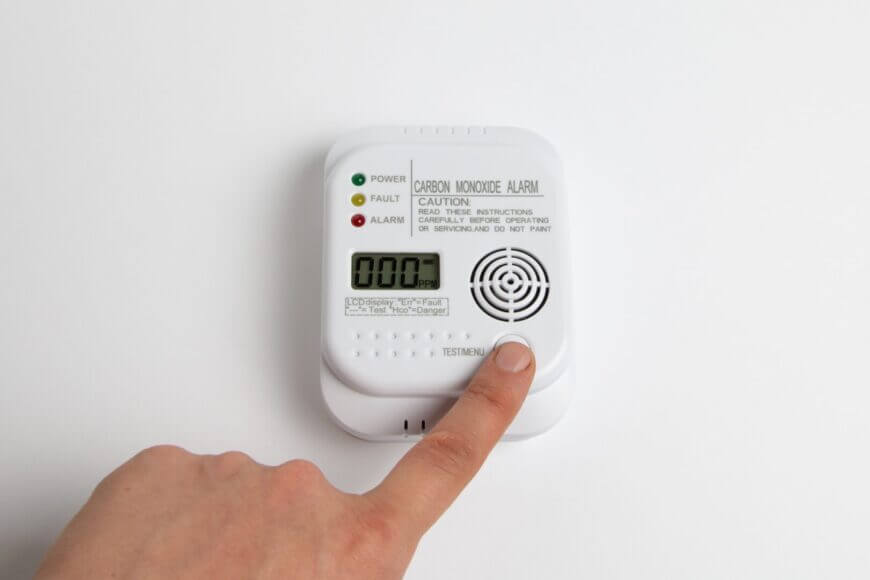
Install audible carbon monoxide alarms in every room with a fuel-burning appliance throughout your premises. They’re inexpensive, easy to fit, and can save lives. Test them regularly, keep them free from dust, and remember, many alarms are portable – ideal for temporary sites or even business travel.
Think ‘IAM’ for carbon monoxide safety – an easy way to keep CO safety at the top of your mind:
I – Installation: Always use Gas Safe registered engineers
A – Alarm: Fit CO alarms wherever appliances are in use
M – Maintenance: Regular servicing = efficiency, safety and peace of mind
Carbon monoxide is invisible, silent, and potentially deadly – but it’s also entirely preventable with the right precautions.
At Northern Energy, we believe that safety and efficiency go hand-in-hand. By prioritising proper installation, regular maintenance, and reliable detection, you’ll ensure your LPG systems deliver what they’re designed to: warmth, comfort, and uninterrupted productivity without unnecessary risks.
Book your annual boiler service today and keep your business safe, efficient, and ready for the season ahead.